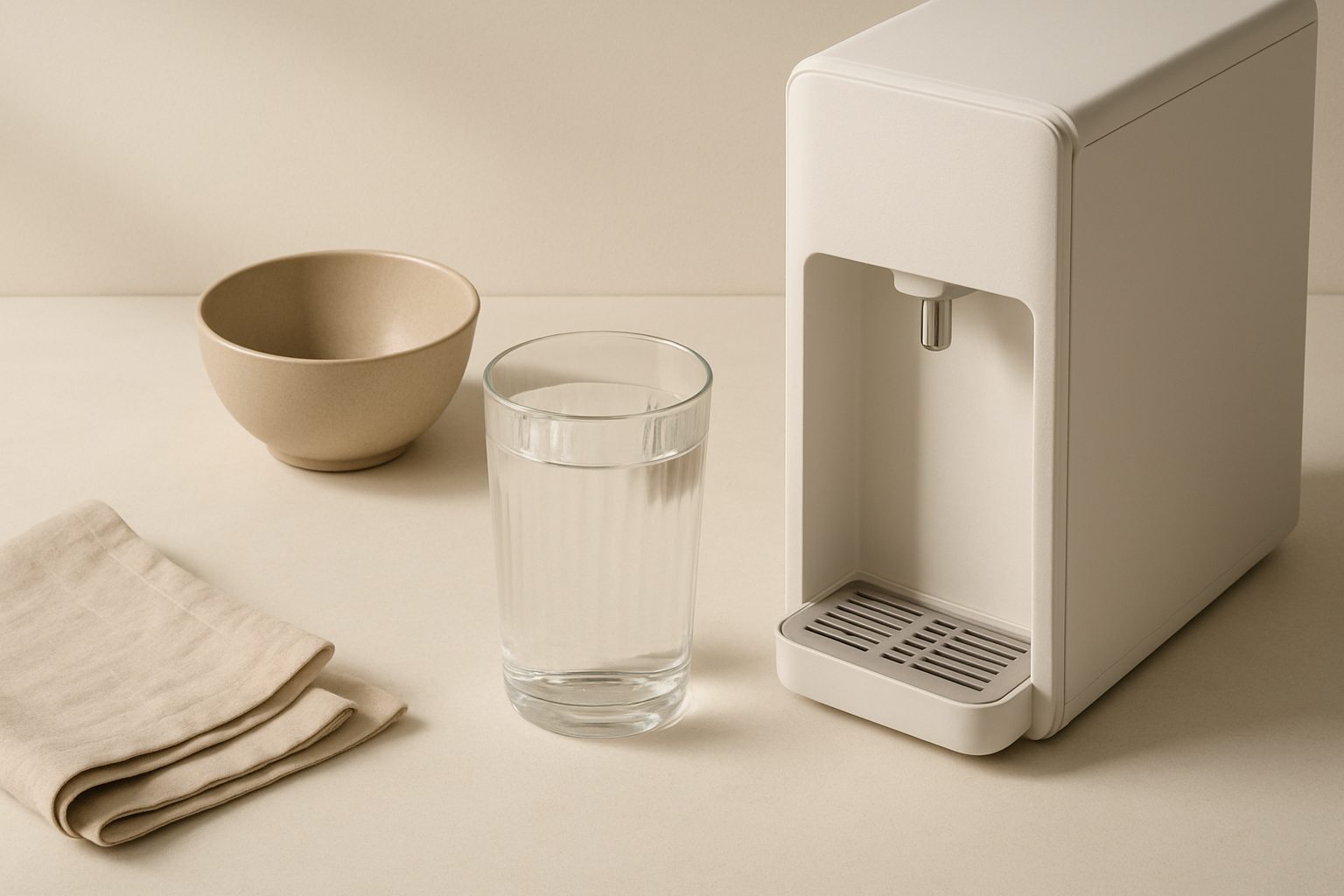
Best Water Chillers for Home Gyms UK 2025: Stay Ice-Cold During Workouts
Staying hydrated during intense workouts is non-negotiable, but lukewarm water from your kitchen tap won't cut it. A chilled water dispenser in your home gym keeps cold water on hand without constant trips to the fridge, and it's genuinely useful when you're training hard. This guide covers the water chillers actually worth considering for gym setups.
Why a Dedicated Water Chiller for Your Gym?
Working out at home means you control your environment—including hydration. A good water chiller eliminates the friction of constantly refilling water bottles from the fridge, so you drink more consistently and stay cooler during intense sessions. It's particularly valuable for longer workouts or home gym routines where you'll go through multiple litres.
The right setup also matters. Ambient temperature in a home gym can creep up quickly during cardio or strength training, making cold water a genuinely useful recovery tool rather than just a convenience.
Types of Water Chillers for Home Gyms
Point-of-Use Water Coolers
These sit under your sink or beside it, connecting directly to your mains water supply (or using a reservoir). They deliver chilled water on demand—faster than waiting for bottles to chill. The downside: installation can be fiddly, and they take up counter or floor space. For dedicated gym spaces with plumbing nearby, they're often the best option.
Portable Chill Units
Compact, plug-in water chillers that cool water in a reservoir. No plumbing needed, and you can move them around. They're slower than point-of-use coolers and have smaller capacity, but they suit temporary setups or spaces where you can't run mains lines.
High-Flow Dispensers
Some water coolers prioritise flow rate—delivering water faster than standard models. Useful if you're refilling bottles mid-set or multiple people are using the gym. Check the litre-per-minute rating; 2+ litres per minute is typical for gym use.
Key Features to Compare
Cooling Capacity
Measured in litres per hour. A home gym cooler typically needs 5–10 litres per hour. If you're training intensely for an hour, you'll want at least 5 litres of cold water available; the cooler should replenish that within reasonable time.
Temperature Control
Most allow you to set the cold-water temperature between 5°C and 15°C. Lower isn't always better—water below 5°C can be uncomfortable on the teeth and throat, especially mid-workout. Around 8–10°C is ideal for most people.
Flow Rate
Faster is better. If you're refilling a 500ml bottle every few minutes during intense cardio, a slow dispenser is irritating. Aim for at least 1.5 litres per minute.
Noise
Compressor-based chillers can be loud, especially during the cooling cycle. If your gym is in a bedroom or open-plan space, look for models with quiet-running compressors—or check reviews specifically on noise.
Maintenance
All coolers need regular cleaning. Check how accessible the water pathway is and how often the filter needs replacing. Some charge £30–60 per replacement; it adds up.
What Works for Home Gyms
For most home setups, a compact point-of-use cooler offers the best balance. They're efficient, provide fast cold water, and take minimal space once installed. Models with both hot and cold taps let you use the unit for post-workout hot drinks too, which adds value.
If plumbing isn't feasible, a mid-size portable unit with a 5–10 litre reservoir handles typical gym sessions without taking up too much room.
Avoid oversized commercial models. They're overkill, use more electricity, and won't fit most home gym spaces. Similarly, skip tiny personal water bottles with built-in chill packs—they're slow and inefficient for serious training.
Practical Considerations
Placement
Near your main workout area beats tucked in a corner. You want it genuinely convenient—too far away, and you'll skip hydration sessions. If plumbing isn't available nearby, a portable unit on a sturdy shelf works fine.
Electricity Use
A typical home gym water chiller uses 300–600 watts when actively cooling, roughly 2–3p per hour to run. It's not significant, but leaving it on all day is wasteful. Some models have eco-mode timers.
Space
A compact cooler is about 45cm tall and 25cm wide—manageable in most home gyms. Measure your space first, especially if counter space is tight.
Water Quality
If you're using a portable unit with a reservoir, fill it with filtered or bottled water for the first week. Tap water works fine after that, but filtering it first prevents mineral buildup.
Bottom Line
A water chiller transforms home gym training, especially during high-intensity sessions. The best choice depends on your space and plumbing setup: point-of-use models are faster and more efficient; portable units are flexible and require no installation.
Spend time reading reviews on noise levels and flow rate—these matter more than you'd think during an actual workout. Budget £150–400 for a decent model; cheaper units often struggle with cooling speed, and expensive ones add features you won't use.
Cold, readily available water isn't a luxury—it's a practical part of consistent training. Get one that fits your setup, and you'll wonder how you trained without it.
More options
- Under-Sink Mains-Fed Water Chillers (Amazon UK)
- Countertop & Tabletop Water Chillers (Amazon UK)
- Filtered Water Chiller Combo Units (Amazon UK)
- Cold Plunge & Hot Tub Water Chillers (Amazon UK)
- Replacement Chiller Filters & Maintenance Kits (Amazon UK)