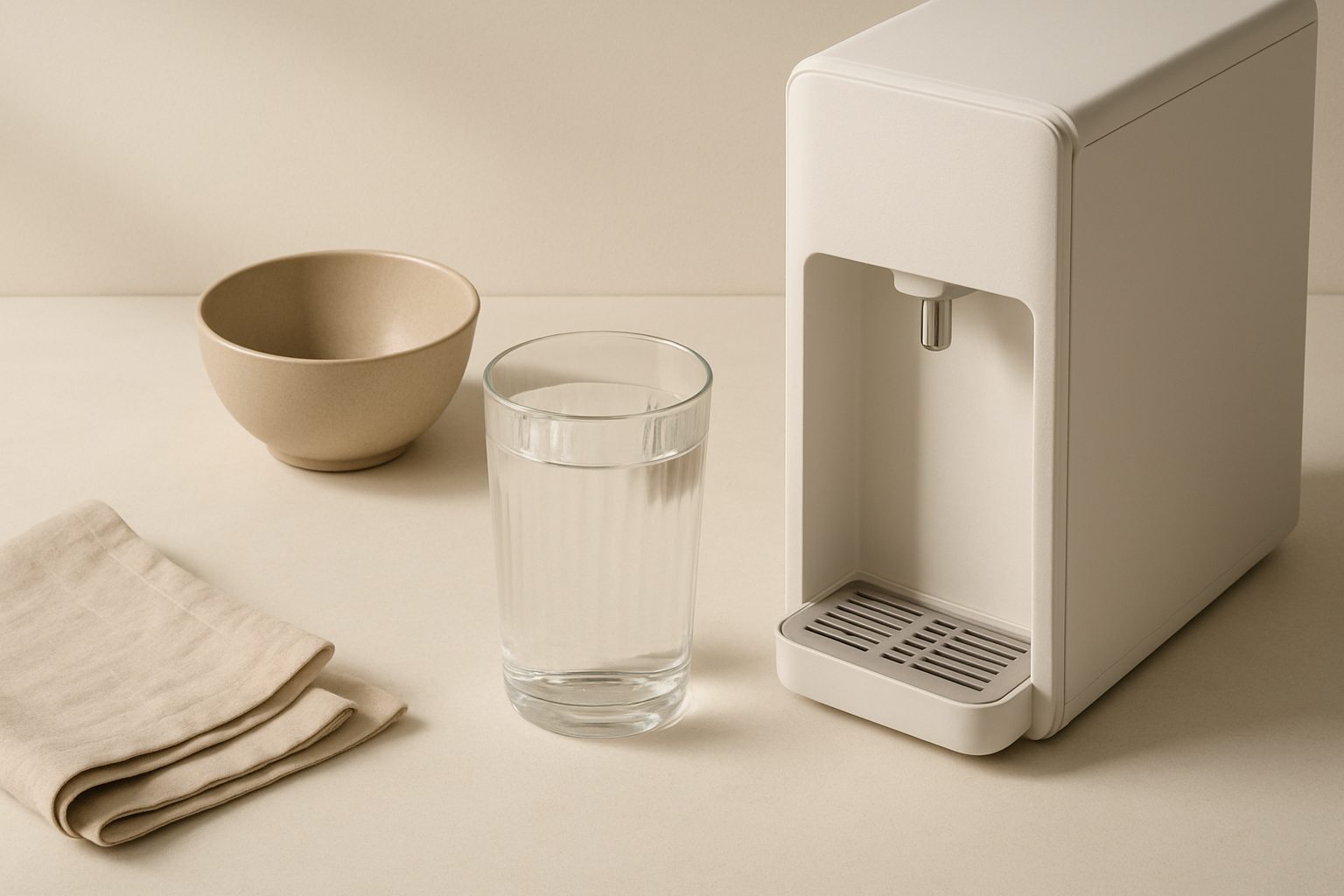
How to Clean and Maintain Your Home Water Chiller UK: Step-by-Step Care Guide
A home water chiller keeps your drinking water refreshingly cold, but like any appliance, it only performs well if you look after it properly. Neglecting maintenance leads to reduced cooling efficiency, odd-tasting water, and ultimately, expensive repairs or replacement. The good news: keeping your chiller in top condition is straightforward and requires just basic tools and a bit of routine attention.
Why Regular Maintenance Matters
Your water chiller works by circulating water through a cooling system and storing it in a tank. Over time, mineral deposits, dust, and algae can build up inside the tank and on the internal components. In the UK, where many areas have harder water, mineral scaling is especially common. A neglected chiller won't cool water as efficiently, uses more electricity, and can develop unpleasant smells or tastes.
Regular cleaning extends the life of your machine by years and keeps your water fresh and cold. Most manufacturers recommend deep cleaning every 2–3 months, depending on your local water hardness and how heavily you use the chiller.
What You'll Need
Before you start, gather these essentials:
- A small bottle brush or soft-bristled brush
- White vinegar (or a commercial descaling solution)
- Soft cloths or microfibre cleaning wipes
- A small funnel
- Replacement filters (check your model for the correct type)
- A bucket or bowl
- Warm water
Many water chiller manufacturers sell dedicated cleaning kits that include descaling powder and specialized brushes fitted to your model's internal geometry. These are worth considering if you plan to maintain your chiller long-term, as they're designed specifically for your machine's layout.
Monthly Quick-Clean Routine
Spend five minutes on this every month to prevent heavy buildup:
- Switch off the chiller and unplug it from the mains.
- Access the water dispensers and soak the outlet nozzles in warm vinegar for 10 minutes. Use a small brush to gently clear any mineral deposits or debris.
- Wipe down the exterior with a damp cloth and dry thoroughly.
- If your chiller has a drainage plug at the base, open it slightly and let a small amount of water drain into a bucket. This flushes out loose debris.
- Leave the plug open for a minute, then close it tightly.
Deep-Clean: Every 2–3 Months
This takes about 30 minutes and is essential for maintaining water quality.
Step 1: Drain the System
Turn off the chiller and unplug it. Open the drainage plug fully and place a bucket underneath. Drain all water from the tank—this may take several minutes. Don't rush; let gravity do the work.
Step 2: Flush the Interior
Once empty, use a clean funnel to pour warm (not boiling) water into the water inlet. Let it run through the system and out of the drain. Repeat this 2–3 times until the water runs clear and doesn't smell stale.
Step 3: Address Mineral Deposits
If mineral scaling is visible (white, chalky buildup), fill the tank halfway with a solution of white vinegar and warm water—a 1:1 ratio works well. Let this sit for 30 minutes to dissolve deposits. Some users prefer commercial descaling solutions, which work faster and are gentler on internal seals.
Pour the vinegar solution slowly through the water inlet so it circulates through the cooling system. Once it's drained, repeat the vinegar flush 2–3 times, then do a final flush with fresh water at least four times until no vinegar smell remains.
Step 4: Replace the Filter
Your chiller likely has an internal filter that traps sediment and chlorine. Check your manual for its location. Most filters slide or screw out easily. Replace it with a new one of the correct specification for your model. A clogged or aged filter severely limits water flow and cooling efficiency. Budget for filter replacement every 3–6 months, depending on your tap water quality and usage.
Step 5: Clean the Dispensing Taps
Remove the outlet nozzles if possible and soak them in vinegar for 15 minutes. Use a small brush to clear the interior channels. Rinse thoroughly and reattach.
Addressing Common Issues
Slow Cooling
Usually caused by a clogged filter or mineral scaling on the cooling coils. Deep-clean the system and replace the filter. If cooling is still poor after that, the refrigerant system may have developed a fault—call a service technician.
Odd Taste or Smell
A stale or musty smell suggests algae or bacterial growth in the tank. Drain completely, then fill the tank with a mixture of white vinegar and water (1:3 ratio). Leave for 2–3 hours, drain, and flush thoroughly at least six times with fresh water. This almost always eliminates the problem.
Water Leaking from the Base
First, check that the drain plug is tight. If water still leaks, the tank seal may be compromised. Some minor leaks can be stopped by tightening the drainage valve, but persistent leaks require professional repair.
Preventative Habits
Keep your water fresh by draining and refilling the tank every week or two if you don't use the chiller heavily. Stagnant water degrades quickly. Position your chiller away from direct sunlight and heat sources, which speed up bacterial growth and reduce cooling efficiency.
If you live in a particularly hard-water area, consider using a separate water softener upstream of your chiller, or use distilled water in the tank if your model allows it. This cuts descaling work significantly.
Knowing When to Call a Professional
If your chiller stops cooling, leaks persistently after basic fixes, or produces no water flow, it's time for a service engineer. Don't attempt to open sealed cooling components yourself—you'll void the warranty and risk damaging the refrigerant system.
Regular cleaning is straightforward enough for any homeowner to handle, and the modest time investment pays off in reliable performance and fresh water for years to come.
More options
- Under-Sink Mains-Fed Water Chillers (Amazon UK)
- Countertop & Tabletop Water Chillers (Amazon UK)
- Filtered Water Chiller Combo Units (Amazon UK)
- Cold Plunge & Hot Tub Water Chillers (Amazon UK)
- Replacement Chiller Filters & Maintenance Kits (Amazon UK)