What Is a Home Water Chiller and How Does It Work? A UK Beginner's Guide
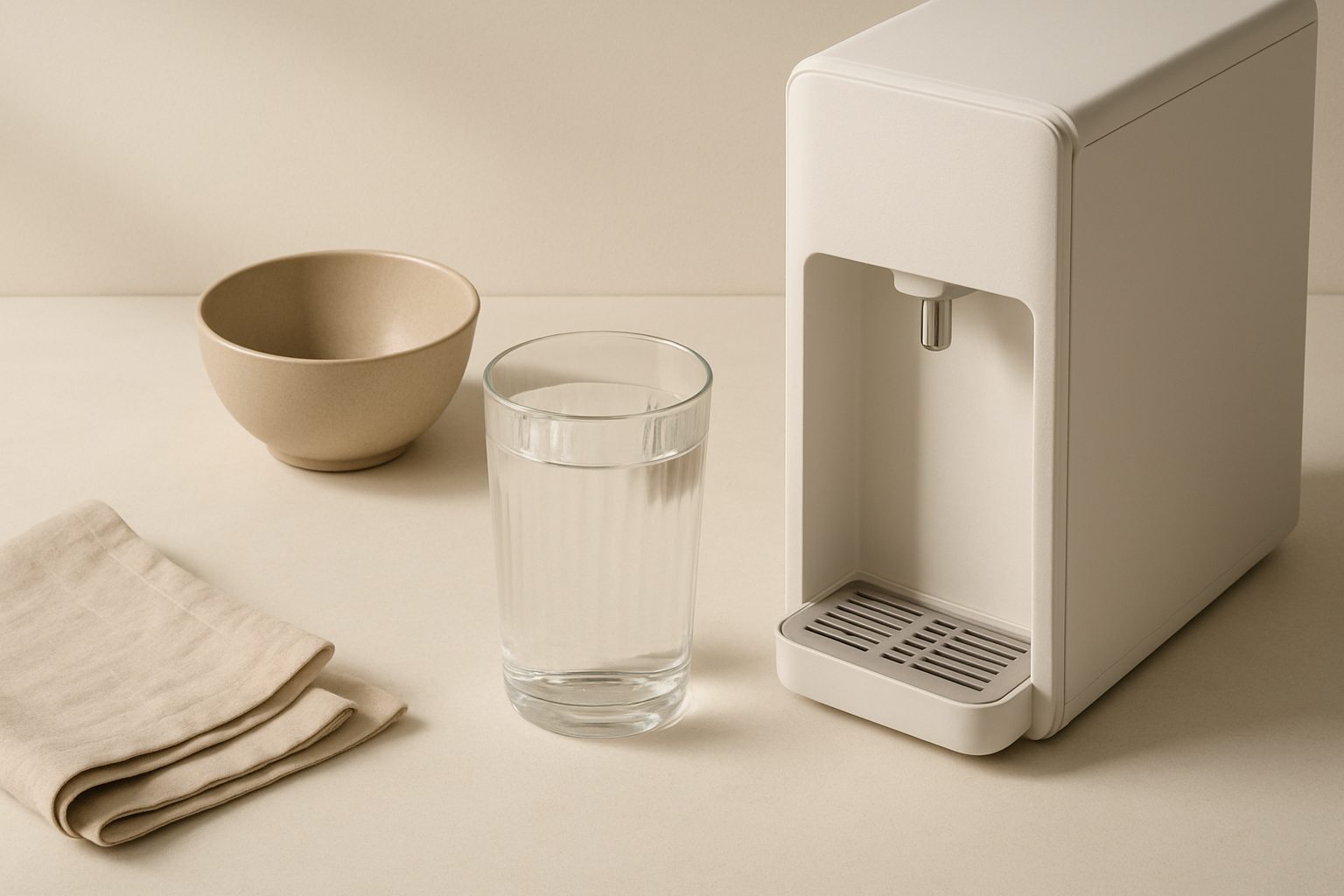
A home water chiller is a compact appliance designed to cool drinking water to a specific temperature. Unlike a standard water cooler that heats or dispenses room-temperature water, a chiller actively refrigerates water to keep it cold—typically between 4°C and 8°C—ready to drink at any moment. In the UK, where reliable tap water is standard, a home water chiller sits between a simple water filter and a full-blown hot-and-cold water cooler system, offering targeted cooling without the bulk or expense.
If you've ever stood in front of your fridge waiting for a glass to chill, or run the tap for 30 seconds to get cold water, a water chiller solves that friction. It's particularly useful in offices, home gyms, studios, or anywhere you want instant cold water without kettling or fridge space.
How Water Chillers Work: Two Main Technologies
Home water chillers use one of two cooling methods, and understanding the difference matters when you're comparing options.
Refrigeration Cooling
This is the traditional approach, found in most full-size coolers and premium home units. A refrigerant gas (often HFC or HFO-based) circulates through a sealed loop, compressing and expanding to absorb heat from water. The compressor does the heavy lifting, drawing electrical power to maintain the cooling cycle.
Pros: Fast cooling, maintains cold water reliably, handles high demand without strain.
Cons: Higher power consumption (typically 100–300W), can be noisy when the compressor kicks in, requires more sophisticated engineering so upfront cost is higher.
Refrigeration cooling is ideal if you're serious about always having genuinely cold water on tap, especially if multiple people use the system daily.
Thermoelectric Cooling
Thermoelectric chillers use the Peltier effect—running electrical current through semiconductor material to move heat from one side to the other. No moving parts, no refrigerant gas.
Pros: Silent operation, lower power draw (30–80W), more compact design, simple to maintain.
Cons: Slower cooling speed, struggles to chill large volumes or maintain coldness if you draw water frequently, less efficient at very cold temperatures.
Thermoelectric units are entry-level and work fine for light domestic use—a single person, occasional cold drinks, or a small office. They're also more eco-friendly in terms of materials and refrigerant risk.
What's Involved in Installation and Operation
Most home water chillers connect to your existing water supply via a tap connector or sit under the sink with a dedicated outlet. You fill an internal tank (usually 3–5 litres) or feed water directly from the mains, flip the power on, and wait 20–30 minutes for the water to reach full coldness.
Some units have an additional heating element, making them hot-and-cold systems, but pure chillers focus on one job. Daily running costs are modest—a refrigerated unit might use £0.15–£0.30 per day depending on your energy rate and usage.
Maintenance is straightforward: replace any sediment filter every 3–6 months (typically £10–£20), keep the dispenser nozzle clean, and descale if you're on a hard-water area. Most modern units come with replaceable filters that catch chlorine, sediment, and taste issues from tap water.
Who Needs a Home Water Chiller?
Water chillers appeal to specific situations rather than being a universal kitchen upgrade:
- Home gym enthusiasts: Staying hydrated during workouts is easier with instant cold water. A thermoelectric unit is usually enough.
- Office or study spaces: Particularly useful in home offices where the kitchen is far away or shared kitchens mean fridge congestion.
- Hot climates or summer months: Less relevant in Scotland year-round, but valuable in the South during June to September.
- Pet owners: Some people keep a chilled water bowl for dogs or cats, especially in warm months.
- Workplace wellness: Increasingly common in UK offices where employers provide chilled water as part of wellbeing initiatives.
If you already have cold tap water pressure and your fridge freezer works fine, a water chiller isn't essential. It's a convenience product, not a necessity.
The UK Market and What to Expect
UK water chillers range from budget thermoelectric units at £80–£150, to mid-range refrigerated systems at £200–£500, to premium commercial-grade chillers above £1,000. The mid-range is where most home buyers find value—enough cooling power and reliability without specialist features.
Water quality matters less in the UK than in some countries, but many people still prefer filtered water for taste, especially if they're used to bottled water. A chiller with a built-in carbon filter gives that peace of mind.
Refrigeration vs Thermoelectric: Which Should You Choose?
Choose refrigeration if: you want genuinely cold water reliably, you're in a warm office or gym, or multiple people draw water daily. The extra cost and power use pay for themselves in convenience.
Choose thermoelectric if: budget is tight, you want whisper-quiet operation, you use it occasionally, or you're testing whether you actually want a chiller at all. It's a sensible entry point.
Next Steps
Now you understand the basics, the next logical step is diving into actual product recommendations—which brands deliver reliable cooling, which are built to last, and which offer the best value for UK homes and offices. Real-world testing reveals which models stay quiet, cool fast, and handle limescale without complaint.
Water chillers are simple appliances, but a good one becomes part of your routine. The right choice depends on your space, budget, and how much cold water you actually need—which is exactly what a detailed product guide will help you nail down.
More options
- Under-Sink Mains-Fed Water Chillers (Amazon UK)
- Countertop & Tabletop Water Chillers (Amazon UK)
- Filtered Water Chiller Combo Units (Amazon UK)
- Cold Plunge & Hot Tub Water Chillers (Amazon UK)
- Replacement Chiller Filters & Maintenance Kits (Amazon UK)